

Send Message
Изјава о приватности: Ваша приватност је за нас веома важна. Наша компанија обећава да неће објављивати ваше личне податке никаквом експанзији са вашим експлицитним дозволама.
 Youth Biotech CO,. Ltd.
Select Language
English
Pdf is encrypted. Please provide your email address and enter your password to access
We provide PDF for you to look at the catalog, and you need to provide an email address
Фрее Цаталогс We provide PDF for you to look at the catalog, and you need to provide an email address
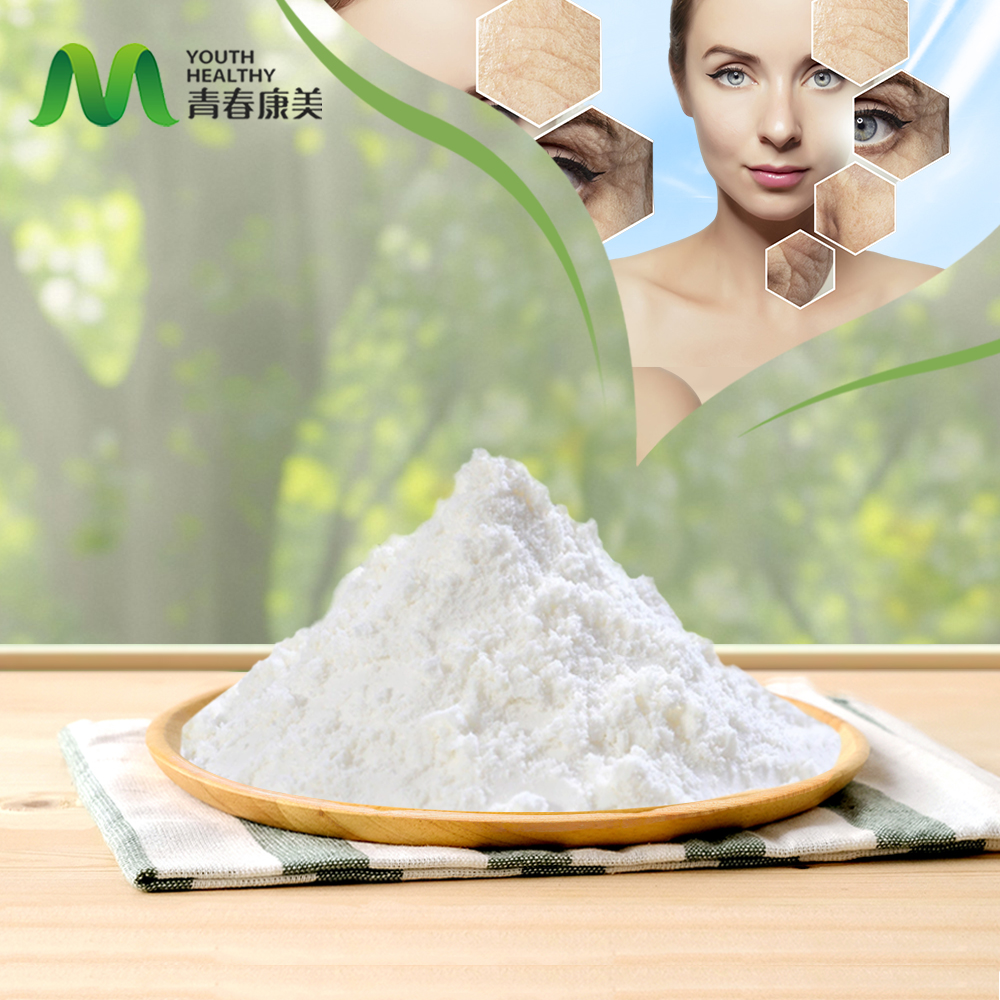
NADH
NADH (Nicotinamide adenine dinucleotide) is a chemical substance, the reduced form of nicotinamide adenine dinucleotide, also known as reduced coenzyme I. N stands for nicotinamide, A stands for adenine, and D refers to dinucleotide. NADH is produced during glycolysis and the citric acid cycle in cellular respiration. The NADH molecule serves as a regulatory marker in the energy production chain within mitochondria. An increase in NADH levels indicates the onset of metabolic imbalance. Monitoring the redox state of NADH is the optimal parameter for characterizing mitochondrial function in vivo. Ultraviolet light can excite NADH in mitochondria to produce fluorescence, which is used to monitor mitochondrial function.
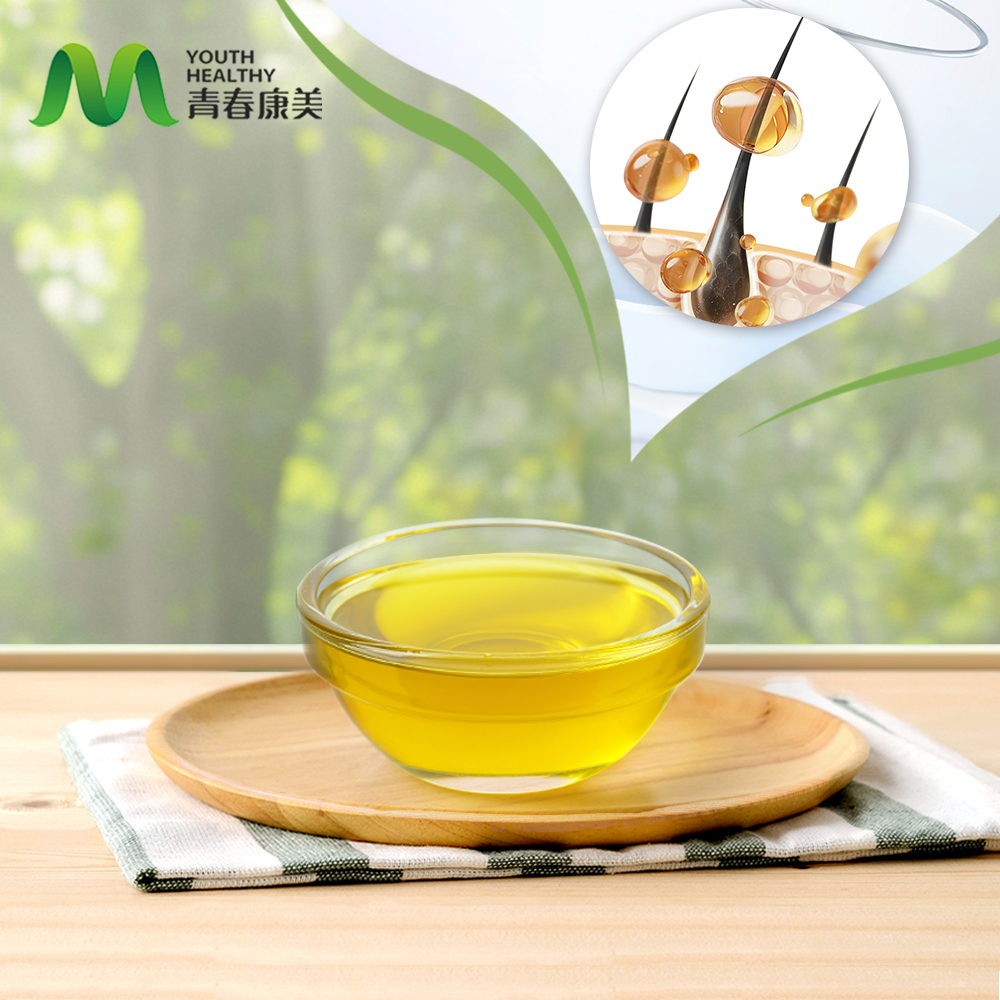
Vitamin E Oil
Vitamin E is typically extracted using solvent extraction, using vegetable oils or nuts as the raw material. Extraction with organic solvents such as ethanol is followed by concentration and purification. Sources: Vitamin E oil is primarily extracted from vegetable oils (such as soybean oil and corn oil), nuts, and seeds, but can also be obtained through chemical synthesis.
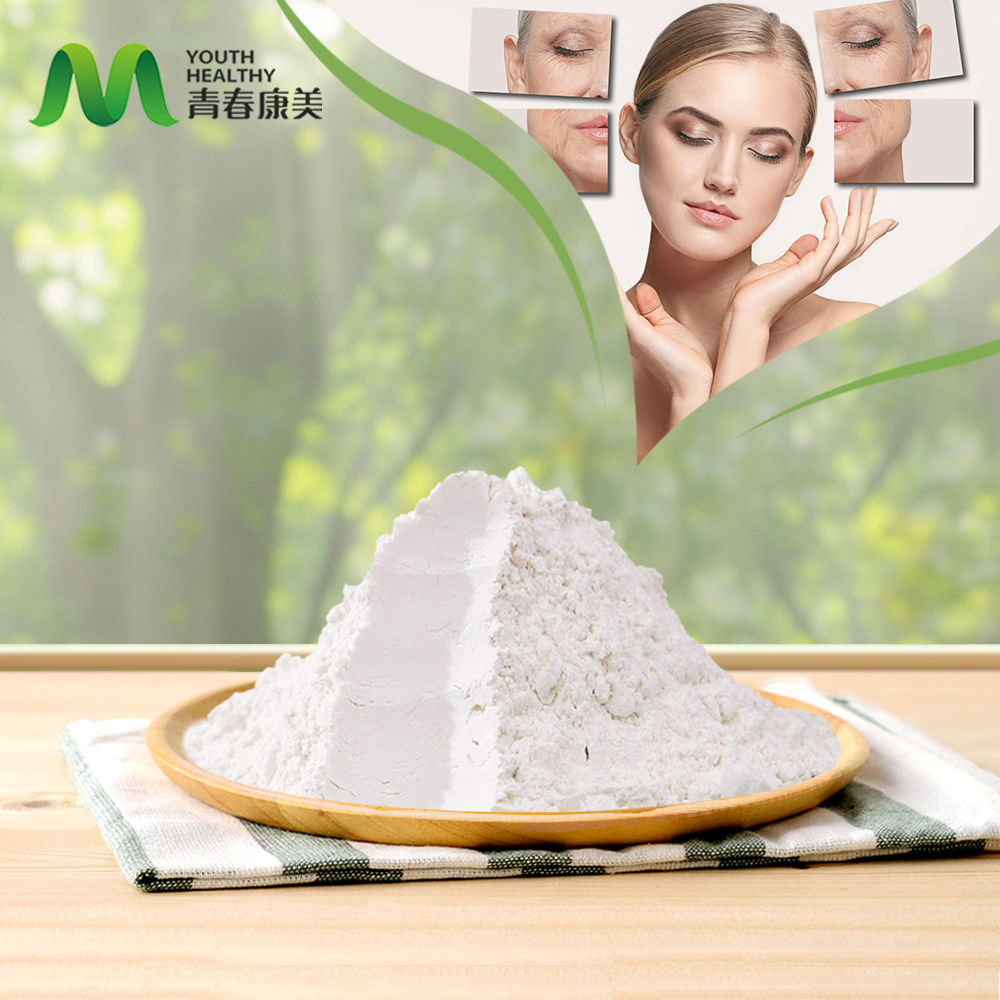
NAD
NAD (Nicotinamide Adenine Dinucleotide) is a crucial coenzyme found in all living cells, playing a vital role in cellular energy metabolism, particularly in processes such as cellular respiration and energy production. As individuals age, NAD levels gradually decline, which is closely associated with aging, metabolic disorders, cardiovascular health issues, and neurodegenerative diseases.
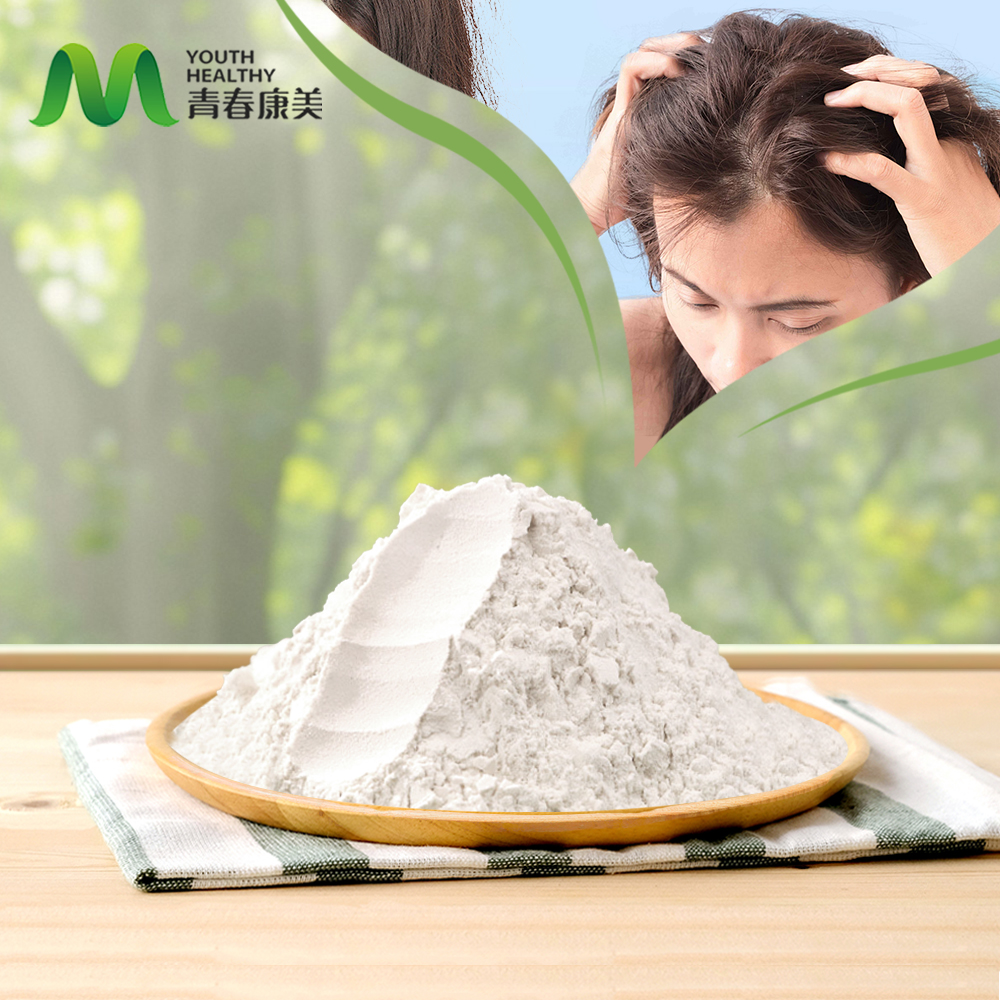
Cnidium monnieri Extract
Cnidium monnieri (L.) Cuss. is derived from the dried mature fruit of the Apiaceae plant. It is mainly produced in Hebei, Shandong, Jiangsu, Zhejiang, Sichuan and other provinces in China, and is also distributed in Inner Mongolia, Shaanxi and Shanxi. Main Ingredients: Osthole: Has anti-inflammatory and antibacterial properties, alleviating scalp inflammation. Alkaloids and volatile oils: Inhibit bacterial growth and regulate sebaceous gland secretion. Flavonoids: Antioxidant, protecting the scalp from free radical damage
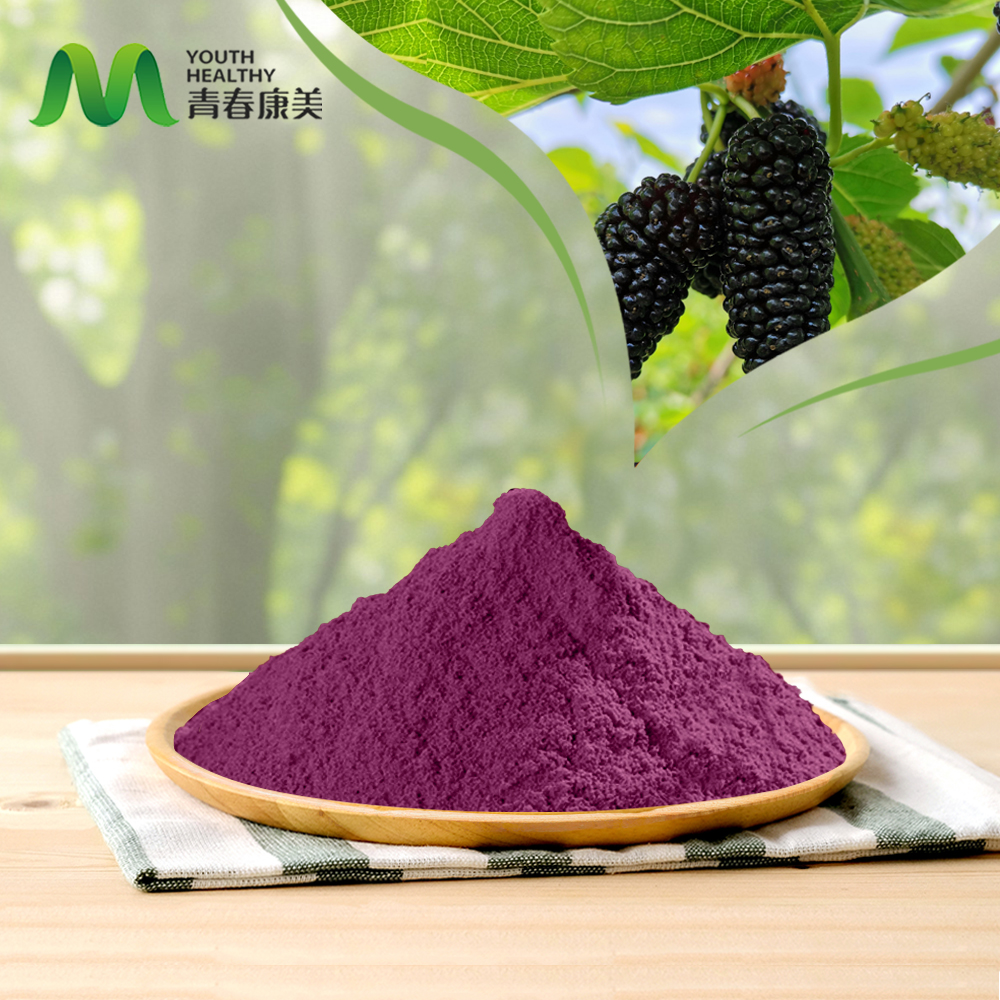
Black Mulberry Extract
Source: Black mulberry extract is extracted from the ripe fruit of the Morus plant, a member of the Moraceae family. It is widely distributed in China and other parts of Asia Main Ingredients: Anthocyanins: Powerful antioxidants that protect cells from free radical damage. Vitamin C and Iron: Work synergistically to promote blood circulation and nutrient delivery. Alkaloids: Such as resveratrol and quercetin, which have anti-inflammatory and hair follicle-stimulating properties.

Angelica Extract
Angelica sinensis is a perennial herb with a distinctive aroma. Its taproot is short, thick, and fleshy, with an upright, purple stem that stands approximately 0.4-1 meter tall. The dried root is approximately 10-25 cm long and gray-brown or tan in color, with longitudinal wrinkles. Angelica sinensis is primarily found in the high, cold, and humid regions of central, eastern, and southern China, including Gansu, Sichuan, Yunnan, Shaanxi, Guizhou, Hubei, Ningxia, Qinghai, and Shanxi. The highest quality angelica from Minxian, Zhangxian, and Weiyuan counties in Gansu is considered the best, and is known as a "genuine medicinal herb." Angelica sinensis extract is primarily extracted from its dried root, which is rich in various bioactive ingredients, including volatile oils, organic acids, polysaccharides, vitamins, and trace elements. Extraction Process Traditional water extraction concentrates the active ingredients through boiling, but this method is relatively inefficient. Modern ultrasonic extraction combined with membrane filtration improves extraction efficiency and retains more active ingredients, such as volatile oils and polysaccharides. Product form: brown-yellow powder or concentrated liquid, with specifications ranging from 1%-98% ligustilide and 30%-60% polysaccharides.

Platycladi Orientalis Leaf Extract
Platycladus orientalis (L.) Franco are the dried young branches and leaves of the cypress family, a species of the Cupressaceae family. They are widely distributed in the moist and fertile hillsides of my country and are found throughout most of the country. Other names include cypress leaves (according to the Golden Chamber) and bush cypress leaves (according to the Mindong Materia Medica). In Tibet, leaves of Himalayan cypress and crooked cypress were once used as substitutes.

Aescin Powder
Extracted via advanced solvent or supercritical CO methods.Appearance: Fine brownish-yellow powder with high solubility in water, ethanol, and oils.Purity: Standardized to 20% Aescin content (UV/HPLC validated), ensuring consistent bioactivity.

Rosemary Extract
Rosemary extract rosmarinci acid is derived from the leaves of Rosmarinus officinalis L., a perennial herbaceous plant native to the Mediterranean region. It is produced through solvent extraction or supercritical CO extraction, yielding a concentrated blend of bioactive compounds. The extract is available in both water-soluble (e.g., rosmarinic acid) and oil-soluble (e.g., carnosic acid, carnosol) forms, catering to diverse industrial applications. Its signature aroma resembles a blend of eucalyptus and camphor, with a subtle herbal undertone.

Loquat Leaf Extract
Loquat leaf extract is extracted from the dried leaves of Eriobotrya japonica (Thunb.) Lindl., a plant of the Rosaceae family, also known as loquat leaves and Ba leaves. Extraction parts: Mainly leaves, including dried leaves and fresh leaves. Origin: Loquat is native to the Yangtze River Basin in China and has a cultivation history of more than 2,000 years. It is mainly produced in Jiangsu, Zhejiang, Guangdong and other places, and is also cultivated in Hubei, Sichuan, Shaanxi, Gansu and other provinces.

Honeysuckle Extract
Honeysuckle extract is taken from the dried buds or early flowers of Lonicera japonica Thunb., a plant of the Caprifoliaceae family, also known as honeysuckle and double flowers. Extraction part: mainly flowers, including buds and early flowers. Origin: Honeysuckle has strong adaptability and is widely distributed throughout China, with Shandong, Henan, Hebei and other provinces as the main production areas.

Scutellaria Baicalensis Extract
Scutellaria extract 80% is derived from the dried root of Scutellaria baicalensis Georgi, a plant of the Lamiaceae family. It is mainly produced in northern my country, with the largest output in Shanxi Province. This plant is widely distributed in my country, with Heilongjiang, Jilin, Liaoning, Henan, Hebei, Shandong, Sichuan, Yunnan, Shaanxi, Gansu and Inner Mongolia being the production areas. Scutellaria extract contains a variety of active chemical components, mainly flavonoid compounds represented by baicalin, as well as baicalin, wogonin, baicalin and baicalin, in addition to benzoic acid, β-sitosterol, etc.
О нама
Контактирајте нас

Изјава о приватности: Ваша приватност је за нас веома важна. Наша компанија обећава да неће објављивати ваше личне податке никаквом експанзији са вашим експлицитним дозволама.
Попуните више информација да би се могло ући у контакт са вама брже
Изјава о приватности: Ваша приватност је за нас веома важна. Наша компанија обећава да неће објављивати ваше личне податке никаквом експанзији са вашим експлицитним дозволама.